For any apple grower, pulling a crisp, deeply colored apple off the branch is the ultimate reward. That rich red hue isn't just about shelf appeal; it is a direct indicator of complex sugars, excellent flavor, and a healthy growing environment.
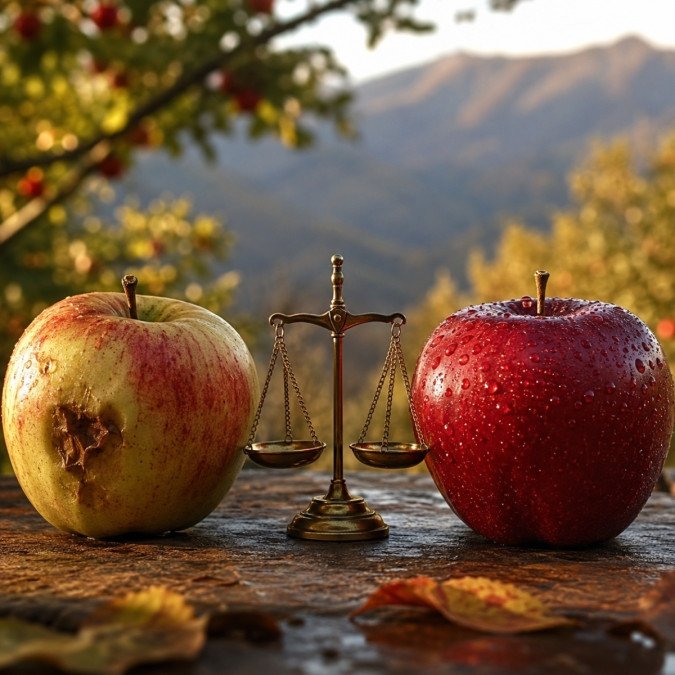
However, achieving premium color shouldn't come at the expense of fruit pressure and shelf life. A common trap in modern orcharding is chasing fast color at the cost of storage potential. The secret to success lies in understanding that fruit ripening and fruit coloration are independent biological processes that simply share the same master switch: ethylene.
By managing both the tree’s genetics and its hormones correctly, you can achieve a stunning, high-contrast finish that keeps its pressure and lasts beautifully in long-term cold storage.

1. The Genetic Foundation: High-Color Strains (Sports)
The absolute foundation of a long-lasting, beautifully finished crop happens during planning and planting. Standard or older strains often require flawless weather to color up, but modern high-color sports are genetically selected to synthesize anthocyanin (red pigment) much more efficiently.
The Advantage: These strains typically develop a solid, uniform blush rather than a striped pattern, meaning even the shaded sides of the fruit color up beautifully.
The Storage Key: High-color strains often turn brilliant red weeks before they are actually ripe. To ensure your crop lasts in storage, ignore the skin color at harvest time and rely strictly on internal metrics like Brix (sugar) levels, pressure testing, and starch-iodine assessments. Picking by color alone leads to harvesting starch-heavy, flavorless fruit that degrades rapidly.
The High-Altitude Warning: These hyper-coloring varieties come with a distinct regional drawback. In cold-climate or high-elevation orchards where the climate naturally drives deep pigmentation, these sports can turn an excessively dark, muddy purple-black if left hanging to reach peak sugar maturity. This over-colored look can actually depress market value, as consumers mistake it for overripe fruit. If you operate a late-harvest orchard in a naturally cold or high-altitude zone, these extreme color sports should be avoided in favor of more balanced strains.
2. Harnessing the Power of Cool Night Temperatures
Mother Nature plays a massive role in finishing a crop. Ideal color development relies heavily on a distinct diurnal temperature variation—specifically, warm, sunny days followed by crisp, cool nights (below 15°C or 60°F).
The Science: Cool nights slow down the plant's respiration rate. Instead of burning up the sugars produced during the day, the tree stores them in the fruit. High sugar concentration is the primary fuel source for anthocyanin.
Grower Tip: Keep cover crops cleanly mowed right before harvest. A clear orchard floor allows the soil to release heat and cool down more efficiently at night, intensifying the color-boosting effect of the autumn air while preserving natural fruit firmness.
3. Year-Round Canopy Architecture & Light Penetration
Anthocyanin production is directly triggered by UV light. If your fruit is hidden under a dense canopy, it won't get the signals it needs to turn red. While textbooks emphasize summer pruning, traditional orchards face a unique set of challenges that require a comprehensive, year-round approach.
The Winter Foundation: In older, traditional orchards with huge, multi-leader tree structures, the real battle for light is won or lost during winter pruning. If the primary structural scaffolding is too dense, summer pruning is just a temporary bandage. Winter pruning must focus on creating permanent structural windows—removing large, overlapping structural limbs entirely to let light reach the inner core of the tree.
The Practicality Challenge: Summer pruning is incredibly difficult on large, traditional trees. Climbing up heavy ladders into massive structures right before harvest risks physically knocking down or damaging the delicate, ripening fruit crop.
The Monsoon Factor: In regions with a heavy monsoon season, aggressive summer pruning cuts can quickly backfire. The combination of high moisture and low sunlight triggers a massive, rapid flush of new vegetative growth. These new watersprouts grow so fast that they can end up shading the fruit even worse than before.
The Strategy: Focus on heavy structural thinning in the winter. Limit summer work to a light, strategic removal of apical watersprouts only where safely accessible, ensuring you maintain a balanced, dappled light environment without triggering a vegetative monsoon rebound or risking crop damage.
4. Optimize Nutrition: The Macro and Micronutrient Synergy
Nutrient balance plays a quiet but massive role in how fruit matures, carries its color, and stands up to time. Potassium is directly involved in the transport of sugars from the leaves into the fruit to fuel the pigmentation process, while calcium forms the structural backbone of cell walls. However, applying these macronutrients won't work if you ignore the micronutrient keys that unlock them.
Manganese for Potassium Regulation: If you notice your apples are struggling to accumulate sugars and build color, the underlying issue might not be a lack of soil potassium, but rather a manganese deficiency in the plant sap. Amino-chelated manganese plays a pivotal role in regulating the plant's internal potassium transport mechanisms. Ensuring adequate sap manganese ensures the tree can actively move potassium where it needs to go.
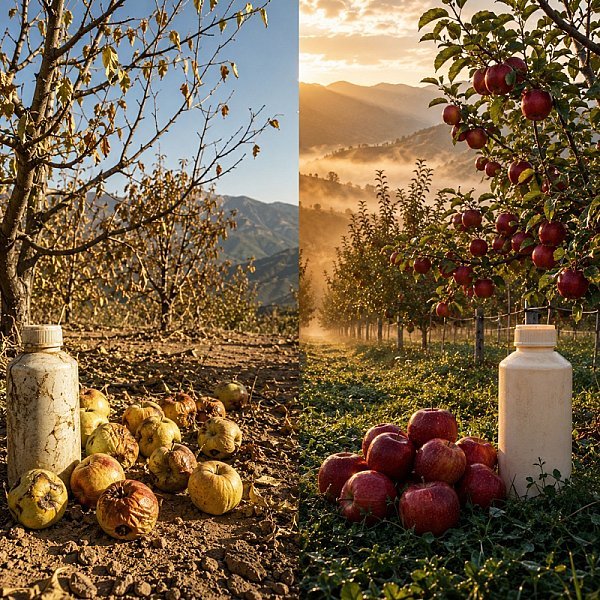
Boron as the Calcium Escort: Similarly, you can apply all the late-summer foliar calcium you want, but without boron, that calcium cannot easily penetrate the cell walls of the fruit. Boron acts as the biological vehicle required to load and bind calcium efficiently into the fruit matrix.
The Approach: Focus on balanced, soil-building practices that prioritize trace mineral availability. When applying targeted late-summer foliar sprays to ensure the cellular structure remains rock-solid against bitter pit and internal breakdown, always ensure your calcium is synergized with boron, and look at amino-manganese to optimize your potassium pathways.
5. Utilize Reflective Ground Covers
If you are managing high-density blocks or varieties that struggle to color evenly on the lower branches, reflective ground mulch can be a game-changer.
How it Works: Laying down reflective foils or specialized white ground covers between the rows reflects the sunlight that usually hits the orchard floor back up into the lower third of the tree canopy.
The Result: This extra bounce of ambient light ensures that the bottoms of the apples receive enough light stimulation to color up evenly. This eliminates the need to leave fruit hanging too long waiting for color, allowing you to harvest the entire tree at optimum maturity for peak storage life.
6. Managing the Hormonal Switch: Ethrel vs. ReTain
When dealing with the final timing of your harvest, plant growth regulators (PGRs) act as your accelerator and brake pedals. However, forcing the clock can easily backfire if ripening outpaces coloration.
The Accelerator: Ethrel (Ethephon)
Ethrel aggressively fast-forwards internal fruit maturity, forcing the green chlorophyll in the apple's skin to break down rapidly. While growers often use it to advance their harvest window, it comes with a major real-world trap: Ethrel does not automatically manufacture red color.
The Risk: If sprayed during hot weather or periods with warm nights, Ethrel will turn your apples yellow and mushy rather than red. Because ripening outpaces the climatic cues needed for color pathways, you run a high risk of rendering the fruit unmarketable and completely destroying its storage potential.
The Brake Pedal: ReTain (AVG)
If Ethrel forces a volatile sprint, ReTain provides a controlled marathon. By blocking the plant’s internal ethylene production, it temporarily holds back the ripening process entirely.
The Field Reality: While this structural pause can cause a minor delay in initial pigmentation, it frequently yields a far superior, deeper red color in the long run. By preventing early fruit drop and softening, ReTain allows you to safely let the fruit hang on the branch deeper into the autumn.
The Ultimate Payoff: This extra hang-time lets you exploit late-season drops in temperature and cumulative UV light. Instead of forcing a fragile color on a softening fruit, you allow the tree to naturally paint the apples a vibrant, high-contrast red over a rock-solid, crisp ground skin—resulting in a premium crop built to last in storage.
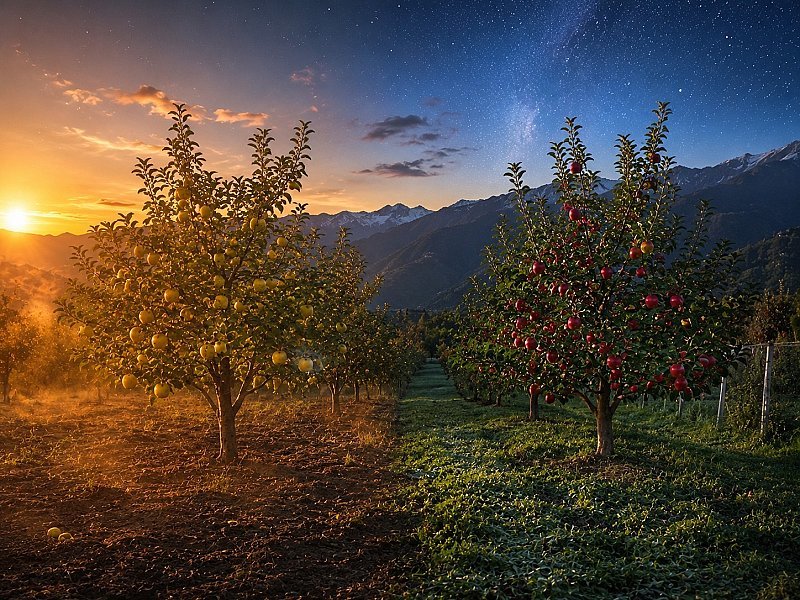
Final Takeaway: Color should always follow maturity, not replace it. Forcing the tree's hand with aggressive ripening agents often results in a yellowed, softened crop that falls apart in the bin. By combining high-color genetics with tools like ReTain that buy you time to exploit cool autumn nights, you get the best of both worlds: stunning visual appeal and exceptional, crisp flavor that lasts.
किसी भी सेब किसान के लिए, एक क्रिस्प, गहरे रंग का सेब शाखा से तोड़ना सबसे बड़ा रिवॉर्ड है। वह समृद्ध लाल रंग सिर्फ शेल्फ अपील नहीं है; यह कॉम्प्लेक्स शुगर, एक्सीलेंट फ्लेवर और एक हेल्दी ग्रोइंग एनवायरनमेंट का डायरेक्ट इंडिकेटर है।
हालाँकि, प्रीमियम रंग हासिल करना फ्रूट प्रेशर और शेल्फ लाइफ की कीमत पर नहीं आना चाहिए। आधुनिक ऑर्चर्डिंग में एक आम ट्रैप है तेज़ रंग का पीछा करना स्टोरेज पोटेंशियल की कीमत पर। सक्सेस का सीक्रेट इस समझ में है कि फ्रूट रिपनिंग और फ्रूट कलरेशन दो इंडिपेंडेंट बायोलॉजिकल प्रोसेसेज़ हैं जो सिर्फ एक ही मास्टर स्विच शेयर करते हैं: एथिलीन।
पेड़ की जेनेटिक्स और उसके हार्मोन्स दोनों को सही तरीके से मैनेज करके, आप एक स्टनिंग, हाई-कॉन्ट्रास्ट फिनिश हासिल कर सकते हैं जो अपना प्रेशर बनाए रखे और लॉन्ग-टर्म कोल्ड स्टोरेज में खूबसूरती से टिके।

1. जेनेटिक फाउंडेशन: हाई-कलर स्ट्रेन्स (स्पोर्ट्स)
लॉन्ग-लास्टिंग, खूबसूरती से फिनिश्ड क्रॉप की एब्सोल्यूट फाउंडेशन प्लानिंग और प्लांटिंग के दौरान रखी जाती है। स्टैंडर्ड या पुरानी स्ट्रेन्स को रंग भरने के लिए अक्सर फॉल्टलेस वेदर की ज़रूरत होती है, लेकिन मॉडर्न हाई-कलर स्पोर्ट्स जेनेटिकली चुने जाते हैं ताकि एन्थोसायनिन (लाल रंग) को ज़्यादा एफिशिएंटली सिंथेसाइज़ कर सकें।
एडवांटेज: ये स्ट्रेन्स आमतौर पर स्ट्राइप्ड पैटर्न के बजाय सॉलिड, यूनिफॉर्म ब्लश डेवलप करते हैं, मतलब फल के छायादार किनारे भी खूबसूरती से रंग जाते हैं।
स्टोरेज की: हाई-कलर स्ट्रेन्स अक्सर असल में पकने से हफ्तों पहले चमकदार लाल हो जाती हैं। यह सुनिश्चित करने के लिए कि आपकी फसल स्टोरेज में टिके, हार्वेस्ट के समय त्वचा के रंग को इग्नोर करें और सख्ती से इंटरनल मेट्रिक्स पर भरोसा करें जैसे ब्रिक्स (शुगर) लेवल्स, प्रेशर टेस्टिंग और स्टार्च-आयोडीन असेसमेंट्स। सिर्फ रंग के आधार पर तोड़ने से स्टार्च-हैवी, फ्लेवरलेस फल मिलते हैं जो जल्दी डिग्रेड हो जाते हैं।
हाई-अल्टीट्यूड वॉर्निंग: ये हाइपर-कलरिंग वैरायटीज़ एक डिस्टिंक्ट रीजनल ड्रॉबैक लेकर आती हैं। कोल्ड-क्लाइमेट या हाई-एलिवेशन ऑर्चर्ड में जहाँ क्लाइमेट नेचुरली डीप पिग्मेंटेशन ड्राइव करता है, ये स्पोर्ट्स पीक शुगर मैच्योरिटी तक लटके रहने पर एक्सेसिवली डार्क, मडी पर्पल-ब्लैक हो सकते हैं। यह ओवर-कलर्ड लुक असल में मार्केट वैल्यू डिप्रेस कर सकता है, क्योंकि कंज़्यूमर इसे ओवरराइप फल समझ लेते हैं। अगर आप नेचुरली कोल्ड या हाई-अल्टीट्यूड ज़ोन में लेट-हार्वेस्ट ऑर्चर्ड चलाते हैं, तो इन एक्सट्रीम कलर स्पोर्ट्स से बचना चाहिए और ज़्यादा बैलेंस्ड स्ट्रेन्स अपनानी चाहिए।
2. ठंडी रातों के तापमान की ताकत का उपयोग
मदर नेचर फसल को फिनिश करने में बड़ी भूमिका निभाती है। आदर्श रंग डेवलपमेंट एक डिस्टिंक्ट ड्यूरनल टेम्परेचर वेरिएशन पर भारी निर्भर करता है—खासकर, गर्म, धूप वाले दिन और उसके बाद क्रिस्प, ठंडी रातें (15°C या 60°F से नीचे)।
द साइंस: ठंडी रातें पौधे की रेस्पिरेशन रेट को धीमा कर देती हैं। दिन में बनी शुगर को जलाने के बजाय, पेड़ उन्हें फल में स्टोर करता है। हाई शुगर कॉन्संट्रेशन एन्थोसायनिन के लिए प्राइमरी फ्यूल सोर्स है।
ग्रोअर टिप: हार्वेस्ट से ठीक पहले कवर क्रॉप्स को साफ-सुथरा काटें। एक साफ ऑर्चर्ड फ्लोर मिट्टी को गर्मी रिलीज़ करने और रात में ज़्यादा एफिशिएंटली ठंडी होने देता है, शरद ऋतु की हवा के कलर-बूस्टिंग इफेक्ट को तेज़ करता है जबकि नेचुरल फ्रूट फर्मनेस को प्रिजर्व करता है।
3. साल भर की कैनोपी आर्किटेक्चर और लाइट पेनिट्रेशन
एन्थोसायनिन प्रोडक्शन सीधे UV लाइट से ट्रिगर होता है। अगर आपका फल घनी कैनोपी के नीचे छिपा है, तो उसे लाल होने के लिए ज़रूरी सिग्नल नहीं मिलेंगे। जहाँ टेक्स्टबुक्स समर प्रूनिंग पर ज़ोर देती हैं, वहीं पारंपरिक ऑर्चर्ड अनोखी चुनौतियों का सामना करते हैं जिनके लिए कॉम्प्रिहेंसिव, साल भर के अप्रोच की ज़रूरत है।
द विंटर फाउंडेशन: बड़े, मल्टी-लीडर ट्री स्ट्रक्चर वाले पुराने पारंपरिक ऑर्चर्ड में, लाइट की असली लड़ाई विंटर प्रूनिंग के दौरान जीती या हारी जाती है। अगर प्राइमरी स्ट्रक्चरल स्कैफोल्डिंग बहुत घनी है, तो समर प्रूनिंग सिर्फ एक टेम्परररी बैंडेज है। विंटर प्रूनिंग परमानेंट स्ट्रक्चरल विंडो बनाने पर फोकस करना चाहिए—बड़ी, ओवरलैपिंग स्ट्रक्चरल लिंब्स को पूरी तरह हटाना ताकि रोशनी पेड़ के इनर कोर तक पहुँच सके।
प्रैक्टिकैलिटी चैलेंज: बड़े, पारंपरिक पेड़ों पर समर प्रूनिंग बेहद मुश्किल है। हार्वेस्ट से ठीक पहले भारी सीढ़ियों पर चढ़कर बड़े स्ट्रक्चर में काम करने से डेलिकेट, रिपनिंग फ्रूट क्रॉप के फिजिकली गिरने या डैमेज होने का रिस्क रहता है।
द मॉनसून फैक्टर: भारी मॉनसून सीजन वाले रीजन में, आक्रामक समर प्रूनिंग कट्स जल्दी उल्टा पड़ सकते हैं। हाई मॉइश्चर और कम सनलाइट का कॉम्बिनेशन नए वेजिटेटिव ग्रोथ का एक मैसिव, रैपिड फ्लश ट्रिगर करता है। ये नए वॉटरस्प्राउट्स इतनी तेज़ी से बढ़ते हैं कि वे फल को पहले से भी ज़्यादा शेड कर सकते हैं।
स्ट्रैटेजी: विंटर में हैवी स्ट्रक्चरल थिनिंग पर फोकस करें। समर के काम को हल्की, स्ट्रैटेजिक अपिकल वॉटरस्प्राउट रिमूवल तक सीमित रखें, सिर्फ वहीं जहाँ सेफली पहुँचा जा सके। यह सुनिश्चित करता है कि वेजिटेटिव मॉनसून रिबाउंड ट्रिगर किए बिना या क्रॉप डैमेज के रिस्क के बिना बैलेंस्ड, डैपल्ड लाइट एनवायरनमेंट मेंटेन रहे।
4. न्यूट्रिशन ऑप्टिमाइज़ करें: मैक्रो और माइक्रोन्यूट्रिएंट सिनर्जी
न्यूट्रिएंट बैलेंस इस बात में एक शांत लेकिन बड़ी भूमिका निभाता है कि फल कैसे मैच्योर होता है, अपना रंग कैसे रखता है, और टाइम के खिलाफ कैसे खड़ा रहता है। पोटैशियम सीधे पत्तियों से फल में शुगर के ट्रांसपोर्ट में शामिल है ताकि पिग्मेंटेशन प्रोसेस को फ्यूल किया जा सके, जबकि कैल्शियम सेल वॉल्स की स्ट्रक्चरल बैकबोन बनाता है। हालाँकि, इन मैक्रोन्यूट्रिएंट्स को लगाना काम नहीं करेगा अगर आप उन माइक्रोन्यूट्रिएंट कीज़ को इग्नोर करते हैं जो उन्हें अनलॉक करती हैं।
पोटैशियम रेगुलेशन के लिए मैंगनीज़: अगर आप देखते हैं कि आपके सेब शुगर जमा करने और रंग बनाने में संघर्ष कर रहे हैं, तो अंडरलाइंग इश्यू मिट्टी में पोटैशियम की कमी नहीं, बल्कि प्लांट सैप में मैंगनीज़ की डेफिशिएंसी हो सकती है। अमीनो-चेलेटेड मैंगनीज़ पौधे के इंटरनल पोटैशियम ट्रांसपोर्ट मैकेनिज़्म को रेगुलेट करने में पिवोटल भूमिका निभाता है। पर्याप्त सैप मैंगनीज़ सुनिश्चित करता है कि पेड़ एक्टिवली पोटैशियम को वहाँ ले जा सके जहाँ उसकी ज़रूरत है।
कैल्शियम एस्कॉर्ट के रूप में बोरॉन: इसी तरह, आप जितनी चाहे लेट-समर फोलियर कैल्शियम लगा सकते हैं, लेकिन बोरॉन के बिना, वह कैल्शियम फ्रूट की सेल वॉल्स में आसानी से पेनिट्रेट नहीं कर सकता। बोरॉन बायोलॉजिकल व्हीकल की तरह काम करता है जो कैल्शियम को एफिशिएंटली फ्रूट मैट्रिक्स में लोड और बाइंड करता है।
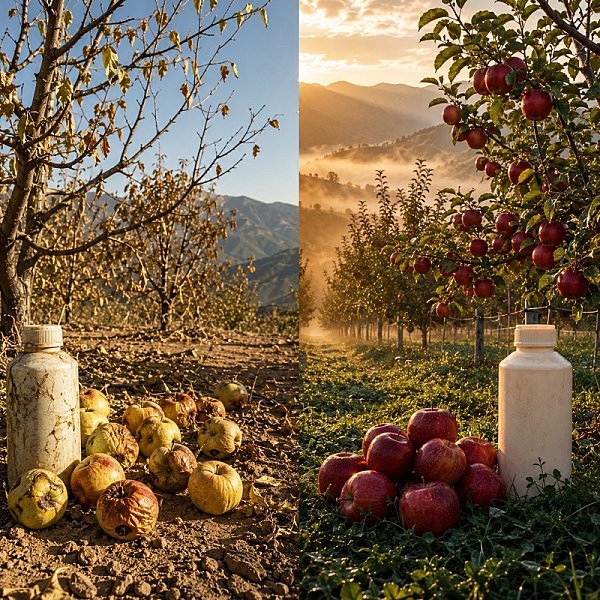
अप्रोच: बैलेंस्ड, सॉइल-बिल्डिंग प्रैक्टिसेज़ पर फोकस करें जो ट्रेस मिनरल अवेलेबिलिटी को प्रायोरिटी दें। जब लेट-समर फोलियर स्प्रेज़ लगाएँ ताकि सेल्युलर स्ट्रक्चर बिटर पिट और इंटरनल ब्रेकडाउन के खिलाफ रॉक-सॉलिड रहे, तो हमेशा सुनिश्चित करें कि आपका कैल्शियम बोरॉन के साथ सिनर्जाइज़्ड हो, और पोटैशियम पाथवेज़ को ऑप्टिमाइज़ करने के लिए अमीनो-मैंगनीज़ देखें।
5. रिफ्लेक्टिव ग्राउंड कवर का उपयोग
अगर आप हाई-डेंसिटी ब्लॉक्स या ऐसी वैरायटीज़ मैनेज कर रहे हैं जो निचली शाखाओं पर समान रूप से रंग भरने में संघर्ष करती हैं, तो रिफ्लेक्टिव ग्राउंड मल्च गेम-चेंजर हो सकता है।
यह कैसे काम करता है: पंक्तियों के बीच रिफ्लेक्टिव फॉयल या स्पेशलाइज़्ड व्हाइट ग्राउंड कवर बिछाने से सूरज की रोशनी जो आमतौर पर ऑर्चर्ड फ्लोर से टकराती है, वह पेड़ की कैनोपी के निचले तिहाई हिस्से में रिफ्लेक्ट होती है।
रिज़ल्ट: एम्बिएंट लाइट का यह एक्स्ट्रा बाउंस सुनिश्चित करता है कि सेब के निचले हिस्सों को समान रूप से रंग भरने के लिए पर्याप्त लाइट स्टिमुलेशन मिले। यह फल को रंग के इंतज़ार में बहुत देर तक लटकाए रखने की ज़रूरत खत्म करता है, जिससे आप पीक स्टोरेज लाइफ के लिए पूरे पेड़ को ऑप्टिमम मैच्योरिटी पर हार्वेस्ट कर सकते हैं।
6. हार्मोनल स्विच मैनेज करना: एथ्रेल बनाम रीटेन
जब आपकी हार्वेस्ट के फाइनल टाइमिंग की बात आती है, तो प्लांट ग्रोथ रेगुलेटर्स (PGRs) आपके एक्सीलेरेटर और ब्रेक पेडल का काम करते हैं। हालाँकि, क्लॉक को फोर्स करना आसानी से उल्टा पड़ सकता है अगर रिपनिंग कलरेशन से आगे निकल जाए।
एक्सीलेरेटर: एथ्रेल (एथेफॉन)
एथ्रेल आक्रामक रूप से इंटरनल फ्रूट मैच्योरिटी को फास्ट-फॉरवर्ड करता है, सेब की त्वचा में हरे क्लोरोफिल को तेज़ी से तोड़ने के लिए मजबूर करता है। जहाँ ग्रोअर्स अक्सर इसे अपने हार्वेस्ट विंडो को आगे बढ़ाने के लिए यूज़ करते हैं, वहीं इसके साथ एक बड़ा रियल-वर्ल्ड ट्रैप आता है: एथ्रेल ऑटोमैटिकली लाल रंग नहीं बनाता।
रिस्क: अगर गर्म मौसम या गर्म रातों वाली पीरियड के दौरान स्प्रे किया जाए, तो एथ्रेल आपके सेब को लाल के बजाय पीला और मसी बना देगा। क्योंकि रिपनिंग कलर पाथवेज़ के लिए ज़रूरी क्लाइमेटिक क्यूज़ से आगे निकल जाती है, आप फल को अनमार्केटेबल बनाने और उसकी स्टोरेज पोटेंशियल को पूरी तरह डिस्ट्रॉय करने का हाई रिस्क चलाते हैं।
ब्रेक पेडल: रीटेन (AVG)
अगर एथ्रेल एक वोलाटाइल स्प्रिंट फोर्स करता है, तो रीटेन एक कंट्रोल्ड मैराथन प्रोवाइड करता है। पौधे के इंटरनल एथिलीन प्रोडक्शन को ब्लॉक करके, यह रिपनिंग प्रोसेस को पूरी तरह टेम्पररली होल्ड करता है।
द फील्ड रियलिटी: जहाँ यह स्ट्रक्चरल पॉज़ शुरुआती पिग्मेंटेशन में माइनर डिले का कारण बन सकता है, वहीं यह लॉन्ग रन में अक्सर कहीं बेहतर, गहरा लाल रंग देता है। अर्ली फ्रूट ड्रॉप और सॉफ्टनिंग को प्रिवेंट करके, रीटेन आपको फल को सेफली शरद ऋतु में गहराई तक शाखा पर लटकाए रखने देता है।
अल्टीमेट पेऑफ: यह एक्स्ट्रा हैंग-टाइम आपको लेट-सीजन के तापमान ड्रॉप और क्यूमुलेटिव UV लाइट का फायदा उठाने देता है। एक सॉफ्टनिंग फल पर एक नाज़ुक रंग फोर्स करने के बजाय, आप पेड़ को नेचुरली सेबों को एक वाइब्रेंट, हाई-कॉन्ट्रास्ट लाल रंग से रंगने देते हैं, एक रॉक-सॉलिड, क्रिस्प ग्राउंड स्किन पर—जिसके परिणामस्वरूप एक प्रीमियम क्रॉप मिलता है जो स्टोरेज में टिकने के लिए बना है।
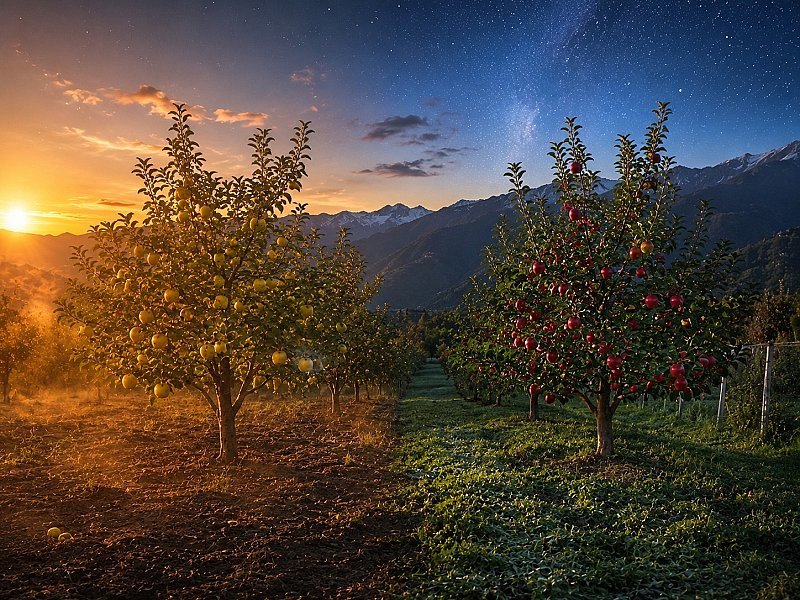
फाइनल टेकअवे: रंग को हमेशा मैच्योरिटी को फॉलो करना चाहिए, उसे रिप्लेस नहीं करना चाहिए। आक्रामक रिपनिंग एजेंट्स से पेड़ को फोर्स करना अक्सर पीले, सॉफ्ट क्रॉप में रिज़ल्ट करता है जो बिन में ही बिखर जाता है। हाई-कलर जेनेटिक्स को रीटेन जैसे टूल्स के साथ कंबाइन करके जो आपको ठंडी शरद ऋतु की रातों का फायदा उठाने के लिए टाइम खरीदते हैं, आपको दोनों दुनियाओं का बेस्ट मिलता है: स्टनिंग विजुअल अपील और एक्सेप्शनल, क्रिस्प फ्लेवर जो लंबे समय तक रहता है।


Comments
No comments yet. Be the first to share your thoughts!